Surge Protection for Security Cameras
What is Surge Protection?

Power surge protection is a system designed to protect electrical devices from damage caused by sudden and excessive power surges. A power surge is an increase in voltage that can cause serious damage to electronic equipment, such as computers, televisions, security cameras, and other appliances. Power surges can be caused by lightning strikes, utility company problems or even faulty wiring in the home.
What type of power is used?
Electronics are designed for the standard power sources used around the world. For example, Europe uses 220v AC while North America uses 120v AC electrical power. There are benefits to both but 120v AC power is much safer for humans to interface with on a daily basis.
What does a surge protector do?
Power surge protection systems are designed to protect electrical equipment from damage caused by power surges. These systems work by diverting excess voltage away from the equipment and thereby preventing it from being damaged or destroyed. Power surge protection systems can be installed in a variety of ways, including whole-house surge protection, point-of-use surge protection, and direct plug-in surge protectors.
Whole-house Surge Protection

Whole house surge protection is a type of surge suppression system that is designed to protect all of the electrical components in your home from power surges. It works by diverting excess voltage away from your home’s wiring and appliances, preventing damage and potential fire hazards. Whole house surge protection systems are typically installed at the main electrical service panel where the power enters the home. Here, it can monitor and divert any incoming surges before they reach any of the interior power circuits.
Point-of-use Surge Protection

Point-of-use surge protection is a type of surge suppression device that is designed to protect electronic equipment from power surges and spikes. It is typically installed at the point where the electrical power enters the equipment, such as an outlet or junction box. These units often come in the form of a power strip, which allows multiple devices to be plugged into it. They are often used to protect CCTV equipment, including the NVR, PoE's and cameras from damage due to power surges or brownouts.
Direct Plug-in Surge Protectors

Direct plugin units are a type of surge suppression device that is designed to be plugged directly in line with the cable that is delivering power to an electrical device. It specifically protects the electronic equipment from damage due to power spikes or surges induced into the power cable by nearby lightning strikes or other unexpected events. Refer to the image for example. It is a PoE surge suppressor used to protect an IP camera from any power surge induced onto the cat5 or cat6 cable connecting the camera to the NVR or PoE unit.
What Level of Surge Protection Do you Need?
Cost is a factor for most consumers. There is a point where the cost of protecting the electronic device is more expensive than replacing it. Keep in mind that CCTV warranty's seldom if ever cover acts of nature or power spikes. Warranties cover manufacturing defects and failure from normal operational workloads. They do not cover events outside of the normal operation of the system.
There are usually two areas that require protection for security camera systems, the NVR and PoE units. Since the NVR usually powers the cameras, a reasonable level of protection is to use a power strip equipped with surge suppression between the power supply and the NVR. As with any PoE units, simply place a power strip at all 120v AC electrical connections to any device on the system. This provides cost-effective protection against power spikes, surges, or any induced electrical current on to the power source due to lightning strikes.
The next level of protection to consider is the cable connecting the camera to the system. The only real risk with this cable is a lightning strike inducing an electrical charge onto the cable connecting the camera to the NVR or PoE. This is where cost may prevent the added protection. A surge protector would be needed on each end of the cable; one to protect the camera and the other to protect the NVR or PoE. The cost of two surge suppression units can exceed the cost of a new camera. This is where the consumer has to decide if spending the extra money for the added protection is a cost-effective decision.
Where should you use direct plug-in surge protectors?
We highly recommend using a direct connect in-line surge suppressor if the cable running from the NVR to the camera penetrates a building perimeter. Such as a cable running to a stand-alone shop or storage area. Since the cable is much more likely to be vulnerable to lightning strikes, a surge suppressor installed in-line on the cable as it enters the facility is a good idea.
Should you use a surge suppressor or a UPS (uninterruptible Power Supply)?
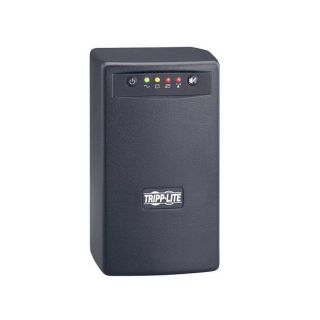
When designing a security camera system there are two external concerns when it comes to power: operation during power loss and damage due to power spikes. If you address the loss of power concern by adding a UPS to each power connection location, you have effectively protected against power surges simply because all UPS units filter the power source and stop all spikes, surges, and brownouts.
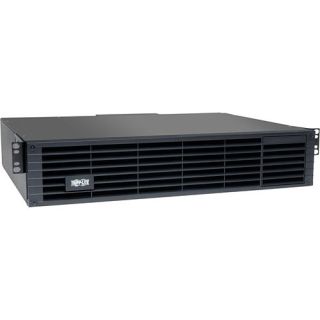
 Tripp Lite BP36V15-2UTripp Lite BP36V15-2U External 36V 2U Rack/tower Battery Pack for select Tripp Lite UPS Systems (BP36V15-2U)$1,172.00
- Tripp Lite BP72V15-2UTripp Lite BP72V15-2U External 72V 2U Rackmount Battery Pack for Select Tripp Lite UPS Systems (BP72V15-2U)$1,818.00
- Tripp Lite BP72V18-2USTripp Lite BP72V18-2US External 72V 2U Rack/Tower Battery Pack for Select Tripp Lite UPS Systems (BP72V18-2US)$2,140.00
- Tripp Lite BP24V36-2USTripp Lite BP24V36-2US External 24 V 2U Rack-Mount Battery Pack for Select Tripp Lite UPS Systems (BP24V36-2US)$1,255.00
- Tripp Lite BP36V27-2USTripp Lite BP36V27-2US 36V External Battery Pack for Select Tripp Lite UPS Systems, 2U Rack/tower$1,490.00
- Tripp Lite BP192V12-3UTripp Lite BP192V12-3U External 192V 3U Rack/tower Battery Pack for select Tripp Lite UPS Systems (BP192V12-3U)$3,153.00
- Tripp Lite BP48V60RT3UTAATripp Lite BP48V60RT3UTAA TAA-Compliant External 48V 3U Battery Pack for Select Tripp Lite UPS Systems (BP48V60RT3UTAA-Compliant)$2,925.00
- Tripp Lite BP24V15RT2UTripp Lite BP24V15RT2U External 24V 2U Rack/tower Battery Pack for select Tripp Lite UPS Systems (BP24V15RT2U)$632.00
- Tripp Lite BP36V42-3UTripp Lite BP36V42-3U External 36V 3U Rack/Tower Battery Pack for Select Tripp Lite UPS Systems (BP36V42-3U)$2,755.00
- Tripp Lite BP72V28RT3UTripp Lite BP72V28RT3U External 72V 3U Rack/tower Battery Pack for select Tripp Lite UPS systems (BP72V28RT-3U)$3,080.00
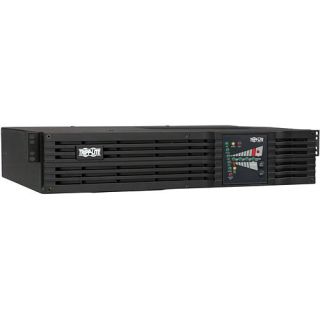
- Tripp Lite SU1500RTXL2UNTripp Lite SU1500RTXL2UN UPS Smart Online 1500VA 1200w Rackmount 100v-120V USB Db9 Preinstalled Webcardlx 2Urm$2,344.00
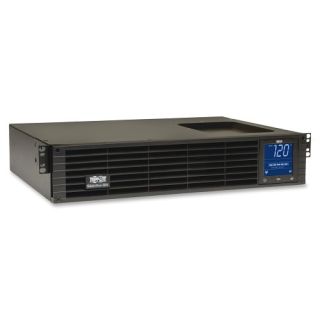
- Tripp Lite SMART2200RMXL2UTripp Lite SMART2200RMXL2U 1920W UPS Smart Rackmount AVR 120V LCD USB DB9 2URM$2,338.00
- Tripp Lite SU2200RTXLCD2UTripp Lite SU2200RTXLCD2U Double-Conversion UPS with LCD Display, 1.8kW, 120V, 2.2kVA , 7 Outlets, 2U$3,142.00
- Tripp Lite SU750RTXL2UTripp Lite SU750RTXL2U UPS 750VA 600W Smart Online 100V-120V USB DB9 2URM RT Serial$1,168.00
- Tripp Lite SM1500RMXL2UTAATripp Lite SM1500RMXL2UTAA UPS 1500VA 1350W Smart Rackmount AVR 120V USB DB9 2URM TAA GSA$1,780.00
- Tripp Lite SMX1500LCDTripp Lite SMX1500LCD Line Interactive UPS Tower with LCD Display, 900W, 230V, 1500VA, 8 C13 Outlets, 2U$815.00
- Tripp Lite SU2000RTXLCD2UTripp Lite SU2000RTXLCD2U Double-Conversion UPS with LCD Display, 1.8kW, 120V, 2kVA, 7 Outlets, 2U$3,143.00
- Tripp Lite SM1000RM2UTAATripp Lite SM1000RM2UTAA SmartPro Line Interactive UPS with LCD Display, 800W, 120V, 1kVA, 6-Outlet, 2U, TAA$1,440.00
- Tripp Lite SMART750RM1UNTripp Lite SMART750RM1UN SmartPro Line Interactive UPS with Pre-installed WEBCARDLX Network Interface, 600W, 120V, 750VA, 1U$1,898.00
- Tripp Lite SU1500RTXLCD2UTripp Lite SU1500RTXLCD2U Double-Conversion UPS with LCD Display, 1.35kW, 120V, 1500VA, 6-Outlet, 2U$2,176.00
- Tripp Lite SMART3000RM2UTripp Lite SMART3000RM2U 3000VA 2250W UPS Smart Rackmount AVR 120V USB DB9 SNMP 2URM$2,538.00
- Tripp Lite SUINT3000LCD2UTripp Lite SUINT3000LCD2U 3000VA 2700W INTL UPS Smart Online LCD Rackmount 208/230V USB 2U$3,573.00
- Tripp Lite SMART750RMXL2UTripp Lite SMART750RMXL2U SmartPro Line Interactive UPS with LCD Display, 600W, 120V 750VA, 2U$1,288.00
- Tripp Lite SMC10002URMTripp Lite SMC10002URM SmartPro Line Interactive UPS with LCD Display, 700W, 120V, 1kVA, 6-Outlet, 2U$1,007.00
- Tripp Lite SMART2600RM2UTripp Lite SMART2600RM2U SmartPro Line Interactive UPS with LCD Display, 1.92kW, 120V, 2200VA, 2U$2,893.00
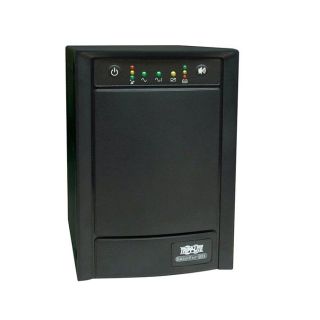
- Tripp Lite SMART3000VSTripp Lite SMART3000VS SmartPro Line Interactive UPS Tower, 2.25kW, 120V, 3kVA$2,384.00
- Tripp Lite SU2200RTXLCDNTripp Lite SU2200RTXLCDN SmartOnline Double-Conversion UPS Tower with WEBCARDLX Network Interface, 1.8kW, 120V, 2.2kVA, 2U$4,116.00
- Tripp Lite SU3000RTXL3UTripp Lite SU3000RTXL3U SmartOnline Double-Conversion UPS Tower, 2.4kW, 120V, 3kVA, 3U$3,257.00
- Tripp Lite SU3000RTXR3UTripp Lite SU3000RTXR3U SmartOnline Double-Conversion UPS with Oversize Batteries, 2.4kW, 120V, 3kVA, 3U$3,970.00
- Tripp Lite SU3000RTXL2UTripp Lite SU3000RTXL2U SmartOnline On-Line Double-Conversion UPS Tower, 2.7kW, 120V, 3kVA, 2U, Energy Star$3,181.00
- Tripp Lite SMART1500SLTTripp Lite SMART1500SLT SmartPro Line Interactive UPS Tower, 900W, 120V, 1.5kVA, 8-Outlet$1,223.00
- Tripp Lite SU6000RT4UHVTripp Lite SU6000RT4UHV SmartOnline Double Conversion UPS Tower, 5.4kW, 208/240V, 6kVA, 4U$6,980.00
- Tripp Lite SM2200RMXL2UTAATripp Lite SM2200RMXL2UTAA SmartPro Line Interactive UPS with LCD Display, 1.92kW, 120V, 2.2kVA, 2U, TAA$2,572.00
- Tripp Lite SMART1500Tripp Lite SMART1500 SmartPro Line Interactive UPS with LCD Display, 900W, 120V, 1500VA, 8-Outlet, 2U$1,130.00
- Tripp Lite SMART3000SLTTripp Lite SMART3000SLT SmartPro Line Interactive UPS Tower, 2.25kW, 120V, 3kVA$2,452.00
- Tripp Lite SMX2200XLRT2UTripp Lite SMX2200XLRT2U SmartPro Line Interactive UPS with LCD Display, 1.92kW, 230V, 2.2kVA, 2U$2,514.00
- Tripp Lite SM2200RMXL2UPTripp Lite SM2200RMXL2UP SmartPro Line Interactive UPS with LCD Display, 1.92kW, 120V, 2200VA, 2U$2,742.00
- Tripp Lite SMART 2200NETTripp Lite SMART 2200NET SmartPro Line Interactive UPS Tower, 1.7kW, 120V, 2.2kVA, 3 DB9 Ports$2,032.00
- Tripp Lite BP48V24-2UTripp Lite BP48V24-2U External 48V 2U Rack-mount Battery Pack Enclosure + DC Cabling for select UPS Systems$1,162.00
- Tripp Lite BP24V70-3UTripp Lite BP24V70-3U 24v 3U Rackmount External Battery Pack for Select UPS Systems$2,751.00
- Tripp Lite BP48V27-2USTripp Lite BP48V27-2US External 48V 2U Rack/Tower Battery Pack for Select UPS Systems (BP48V27-2US)$1,847.00
- Tripp Lite SU10KXFMRRT3UTripp Lite SU10KXFMRRT3U Industrial Double-Conversion UPS Transformer, 9kW, 200-240V, 10kVA, 3U$5,709.00
- Tripp Lite BP48V60RT-3UTripp Lite BP48V60RT-3U External 48V 3U Rack/Tower Battery Pack Enclosure and DC Cabling for Select UPS Systems (BP48V60RT-3U)$2,658.00
- Tripp Lite SU10KRT3UHVTripp Lite SU10KRT3UHV SmartOnline Double-Conversion UPS, 9kW, 200-240V, 10kVA, 6U$10,255.00
- Tripp Lite SM3000RMXLNTAATripp Lite SM3000RMXLNTAA SmartPro Line Interactive UPS with LCD Display and Pre-Installed WEBCARDLX Network Interface, 2.88kW, 120V, 3kVA, 2U, TAA$3,900.00
- Tripp Lite SMART2200RMXLNTripp Lite SMART2200RMXLN SmartPro Line Interactive UPS with LCD Display and Pre-Installed WEBCARDLX Network Interface, 1.92kW, 120V, 2.2kVA, 2U$3,015.00
- Tripp Lite OMNIVS1000Tripp Lite OMNIVS1000 OmniVS 120V 1000VA 500W Line-Interactive UPS, Tower, USB Port, 6 UPS Battery Supported Outlets, 2 Surge-Only Outlets$408.00
- Tripp Lite BC600SINETripp Lite BC600SINE PC Personal 120 V, 600 VA, 375 W Standby UPS with Pure Sine Wave Output, Tower, 6 Outlets$476.00
- Tripp Lite OMNISMART500Tripp Lite OMNISMART500 OmniSmart 500VA Tower 120V 300W Line-Interactive UPS, Tower, 3 UPS Battery Supported Outlets, 3 Surge-Only Outlets$460.00
- Tripp Lite SU3000RTXLCD2UTripp Lite SU3000RTXLCD2U SmartOnline Series Double-Conversion UPS, 3000VA/2700W, 2U RMS$4,328.00
- Tripp Lite SU5000RT4UHVTripp Lite SU5000RT4UHV SmartOnline Series Double-Conversion UPS, 5000VA/4500W, 4U RMS$6,424.00
- Tripp Lite SU3000RTXLCDTAATripp Lite SU3000RTXLCDTAA Smartonline 120V 3KVA TAA-Compliant UPS – On-Line Double Conversion, 2.7kW, 2U, Network Card Option$4,183.00